Cinematic WebGL Pipelines for Product Storytelling
From shader graphs to scroll-driven cameras: how we stage interactive 3D narratives that convert without sacrificing performance budgets.

Nova Chen
Creative Technologist
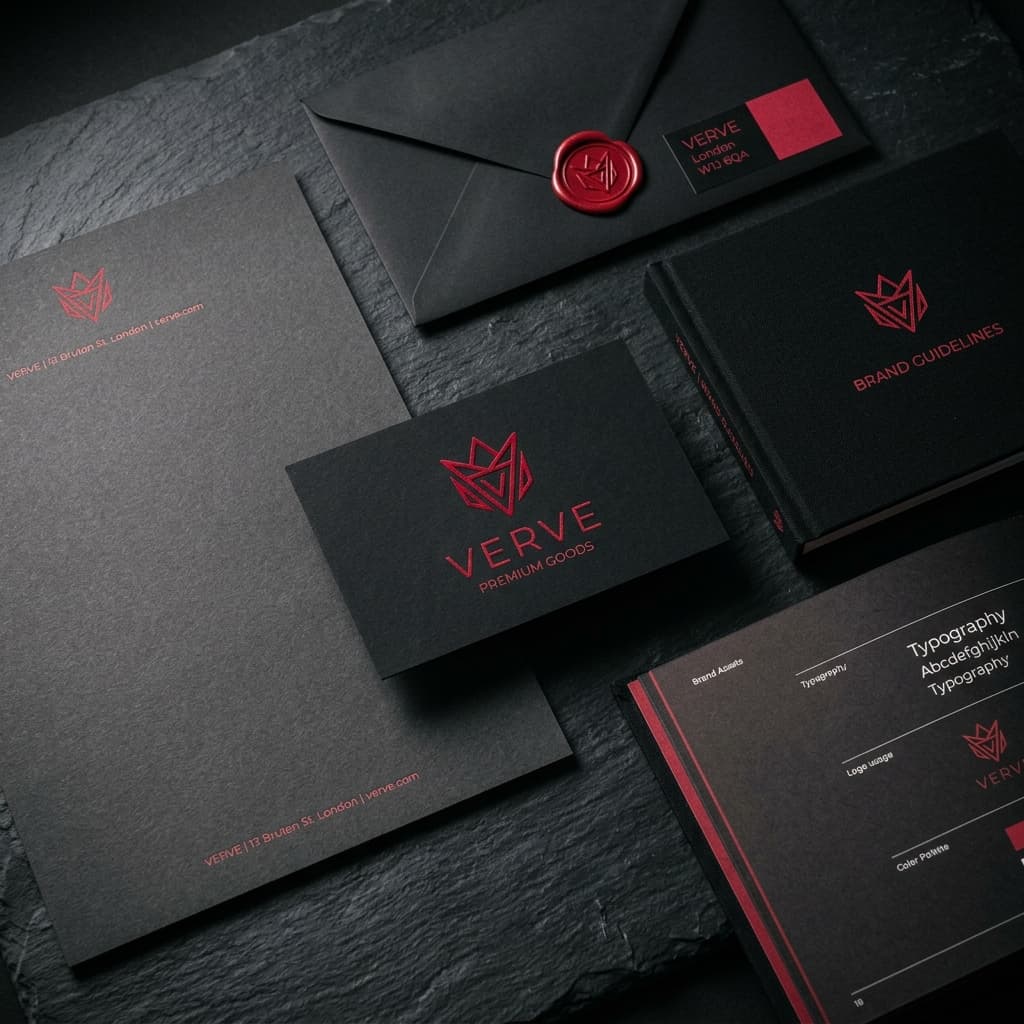
From shader graphs to scroll-driven cameras: how we stage interactive 3D narratives that convert without sacrificing performance budgets.
At Vectoreyez we treat web 3d as a full-stack craft—research, systems design, and production delivery working as one loop. This piece captures the patterns we use on client work when stakes are high and timelines are tight.
The core idea is simple: make the invisible architecture visible. Whether that means threat surfaces, design tokens, or shader budgets, operators and stakeholders need a shared language before they can ship with confidence.
We start with constraints (performance, brand, compliance), model the failure modes, then prototype the happy path. Only after those three layers lock do we polish motion, copy, and polish-level craft.
If you are building in this space, treat the tags below as a checklist—not decoration. Each one maps to a decision we make in the first week of engagement.
Ready to apply these ideas to your product? Reach out for a focused working session—we will scope the highest-leverage slice and leave you with a concrete plan.
Related in Web 3D
Holographic Navigation Patterns for Spatial Product Demos
Interaction grammar for 3D product tours that feel native on desktop, headset, and mobile—without fracturing the brand narrative.
Realtime Shader Branding Across Campaign Microsites
A unified GLSL identity layer that adapts to brand seasons while keeping GPU budgets under control on mid-tier devices.
Build something sharp with Vectoreyez
Tell us about your product, campaign, or platform—we will respond with a focused next step.
Get in touch